 Daudi Kabaka | Official Website



 Daudi Kabaka | Official Website



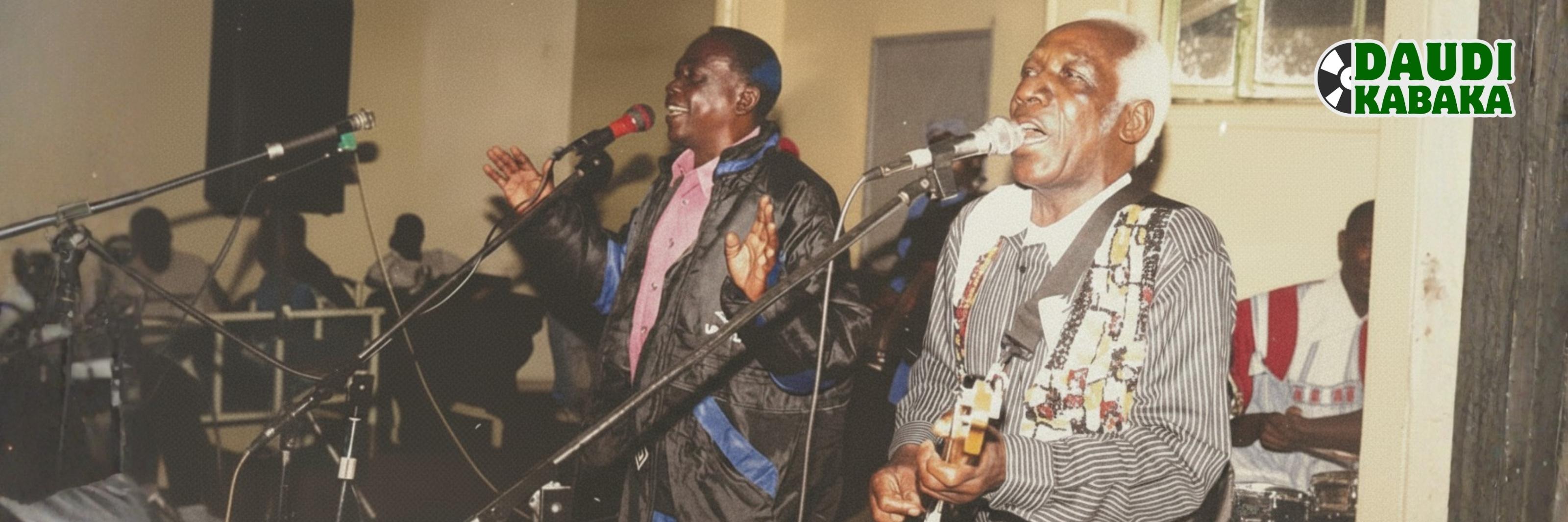




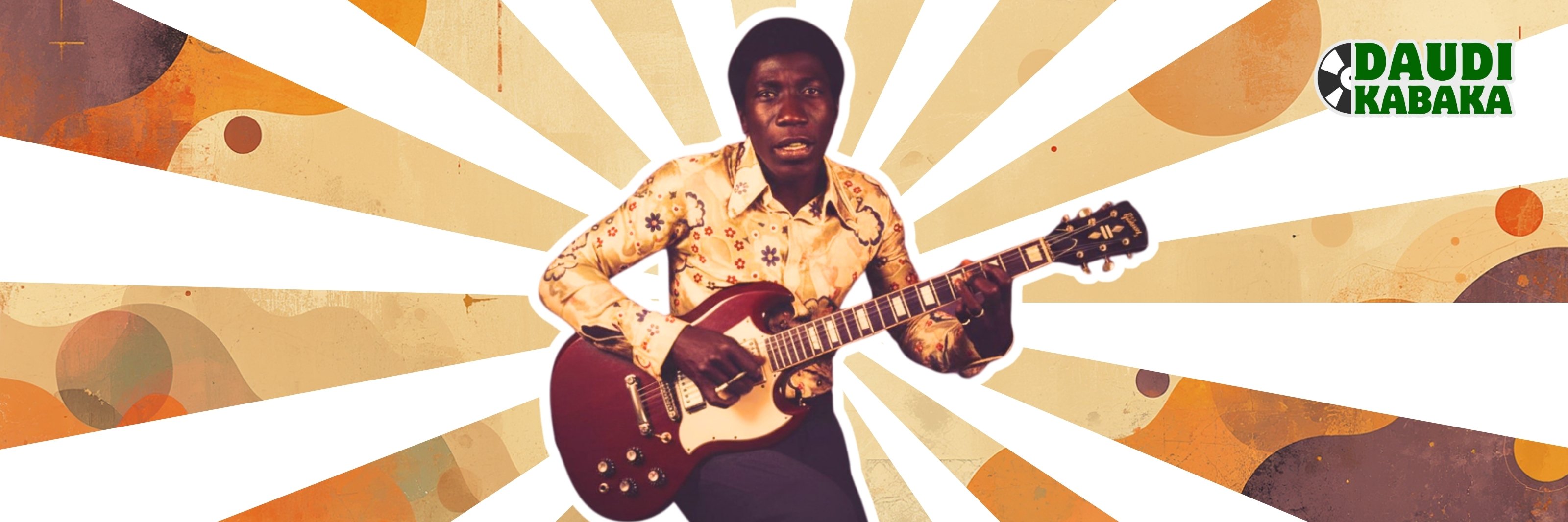


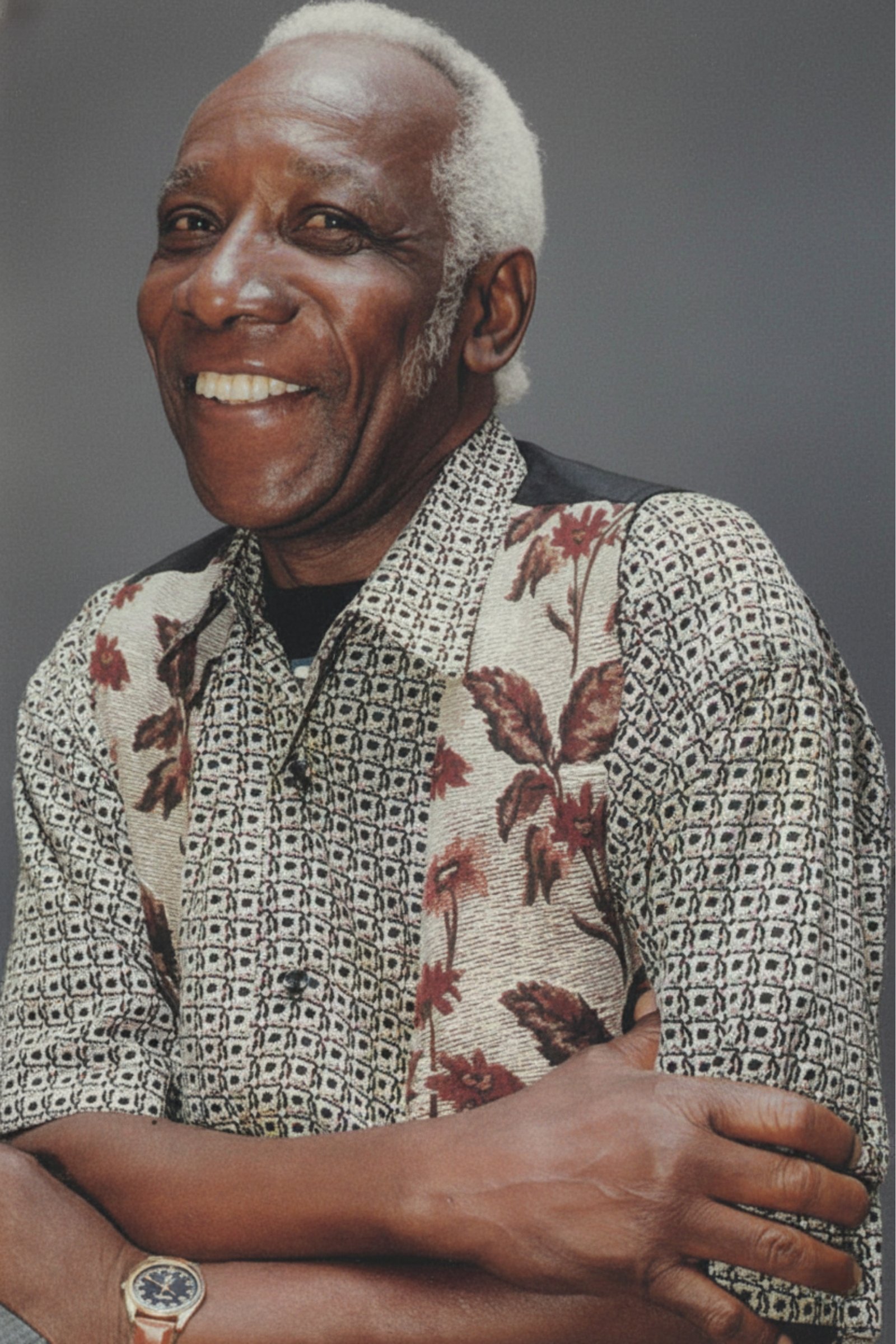
Daudi Kabaka (1939–2001) remains one of Kenya’s most iconic and influential musicians, celebrated for his pioneering role in shaping the sound of Benga music and, most famously, the infectious African Twist. Known for his rich baritone voice, graceful melodies, and socially conscious songwriting, Kabaka’s legacy continues to inspire generations of East African musicians and music lovers worldwide.
Born in Nairobi, Kabaka emerged in the late 1950s and early 1960s as one of the region’s most dynamic vocalists. His breakthrough came with the release of “African Twist,” a continental hit that earned him the title “The King of the African Twist.” The song captured the excitement of a young, modernizing Kenya and remains one of the most recognizable tracks in East African popular music. Kabaka’s talents, however, extended far beyond dance hits.
He became deeply loved for his timeless classics such as “Helule Helule,” “Msichana wa Elimu,” “Harambee Harambee,” and the emotional ballad “Maisha Ni Nini?” His collaborations with the Equator Sound Band and other legendary artists consistently expanded the reach of Kenyan music across Africa, Europe, and beyond. “Helule Helule,” in particular, gained global attention when it was covered by the UK pop group The Tremeloes, introducing Kabaka’s influence to new audiences.
Throughout his career, Kabaka used music as a vehicle for social commentary—addressing unity, hard work, education, national pride, and the everyday realities of Kenyan life. “Harambee Harambee” became an unofficial anthem of Kenya’s community-building movement, further strengthening his status as a national voice.
Throughout his career, Kabaka addressed the social, political, and cultural realities of everyday Kenyans. His music often carried strong messages about unity, hard work, education, and national pride, becoming a soundtrack for the independence era and early post-colonial Kenya.
His song “Harambee Harambee” became an unofficial anthem of the national community-building movement.
Kabaka recorded for several major labels during his lifetime, including Philips, Polydor, and A.I.T. Records, leaving behind a remarkable catalogue of more than 30 singles and numerous albums. Many of his recordings remain available on modern platforms such as Spotify, Tidal, YouTube, and Mdundo, where new audiences continue to discover his music.
Celebrated widely by Kenyan media, including Daily Nation and Nation Africa, Kabaka is honoured today as one of the founding fathers of modern Kenyan music. His life and contributions are documented across respected historical and cultural archives such as Paukwa Stories, Last.fm, and Tumkumbuke, which preserve his legacy for future generations.
Daudi Kabaka passed away in 2001, but his influence lives on. His innovative sound, powerful storytelling, and role in defining the golden age of Kenyan music have cemented him as a true cultural legend—a musician whose voice helped shape the identity of a nation.