 Daudi Kabaka | Official Website



 Daudi Kabaka | Official Website

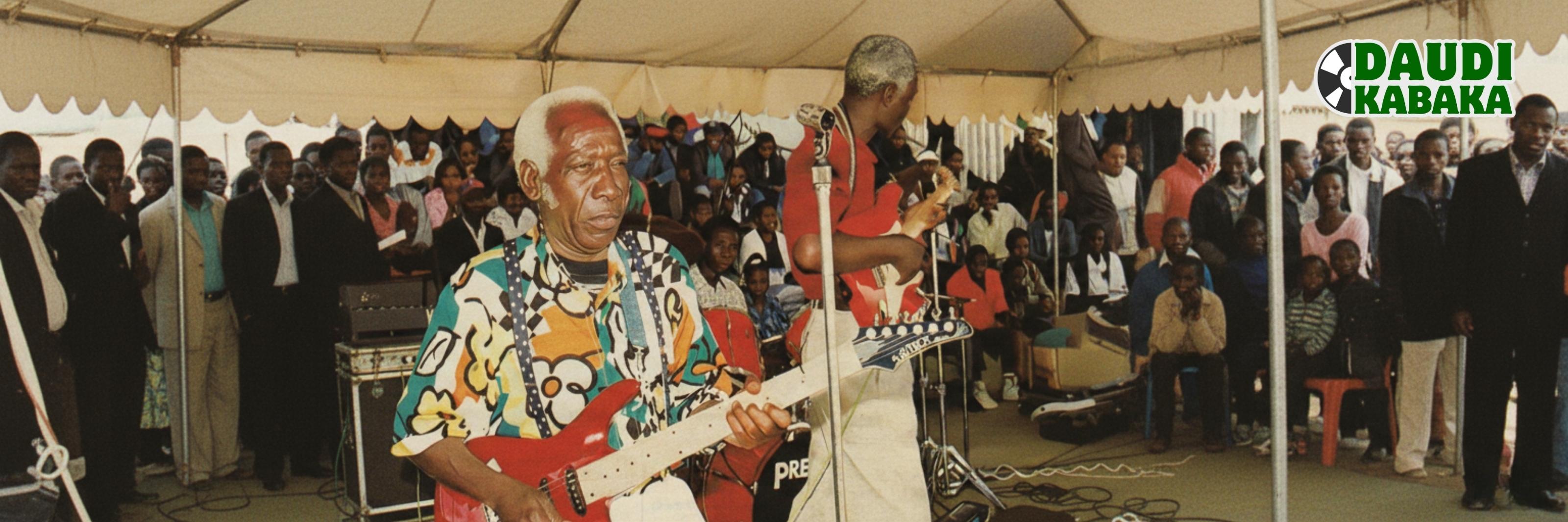

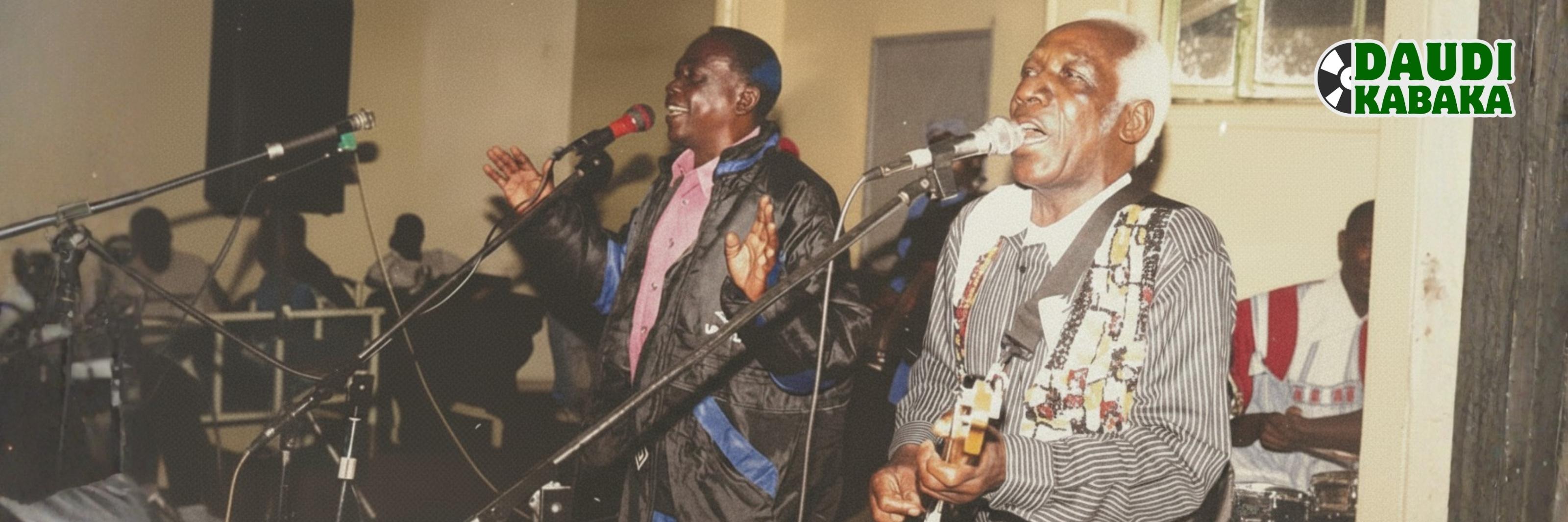

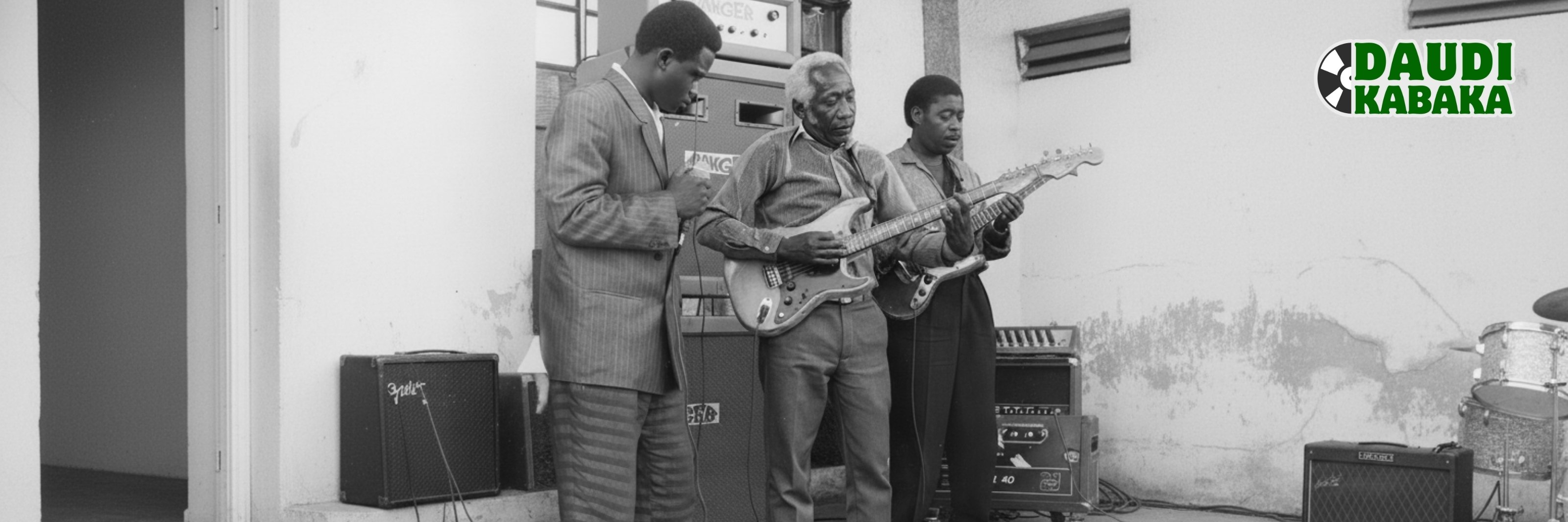


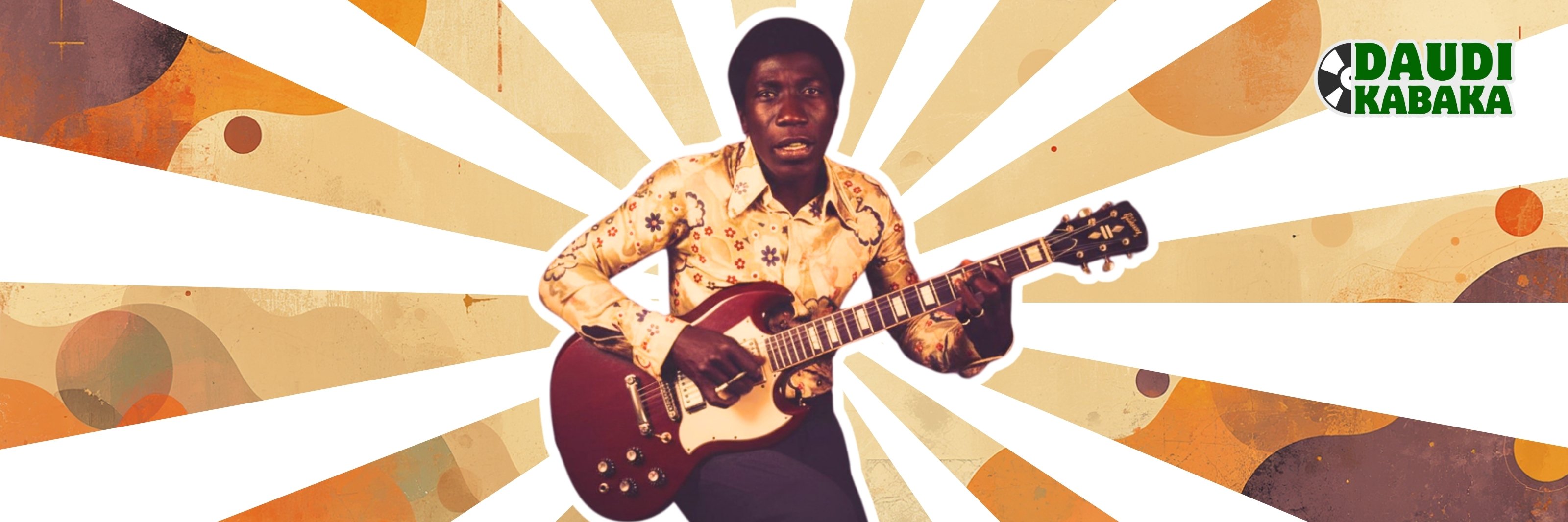


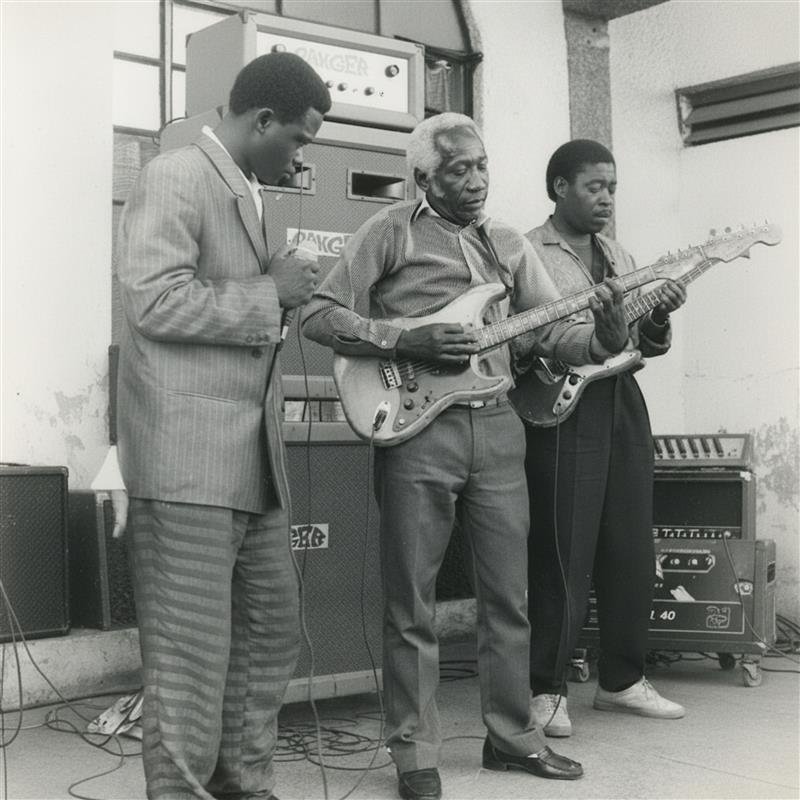
Some songs define a moment. Others define a people. “Helule Helule” by Daudi Kabaka does both. Bursting with infectious rhythm, celebratory vocals, and a spirit that refuses to sit still, the song stands as one of the most iconic creations in early Kenyan pop music.
The song emerged during the vibrant musical wave of the 1960s, a time when Kenya was stepping into a new era of independence. Musicians experimented with guitar-driven melodies, rhythmic variations, and blends of traditional and modern influences. Daudi Kabaka, the King of the African Twist, stood at the center of this creative shift.
“Helule Helule” captures the essence of communal celebration. Its chorus — bright, repetitive, and joyful — feels like an invitation for everyone to join in. The word “Helule” itself carries a celebratory meaning, echoing the laughter, dancing, and excitement of Kenyan social gatherings. Kabaka understood how to craft songs that spoke to everyday people, and this track embodies that talent perfectly.
Musically, the song radiates the hallmarks of the emerging benga style: lively guitar interplay, rhythmic speed, and melodic repetition designed to energize dancers. From the first strum, the track pushes forward with a contagious sense of motion. It’s simple by design — a feel-good piece made to be sung loudly, danced to freely, and remembered easily. This accessibility helped turn “Helule Helule” into a nationwide anthem.
One of the most fascinating chapters of the song’s legacy is its journey beyond Kenya. In the late 1960s, British pop-rock group The Tremeloes discovered the track and decided to record their own version, also titled “Helule Helule.” Their cover introduced Kabaka’s melody to a Western audience at a time when African music was rarely acknowledged in European pop.
The Tremeloes transformed the song into a psychedelic, upbeat pop hit that matched London’s swinging musical landscape. Despite the stylistic shift, the core celebratory spirit remained. This moment marked a rare and important cultural exchange: a Kenyan hit crossing continents, influencing Western musicians, and reaching listeners who had never before encountered East African rhythms.
The cover stands today as a testament to the universality of Kabaka’s creativity. His melodies resonated far beyond their origin — proving that joyful music, no matter the language, travels easily.
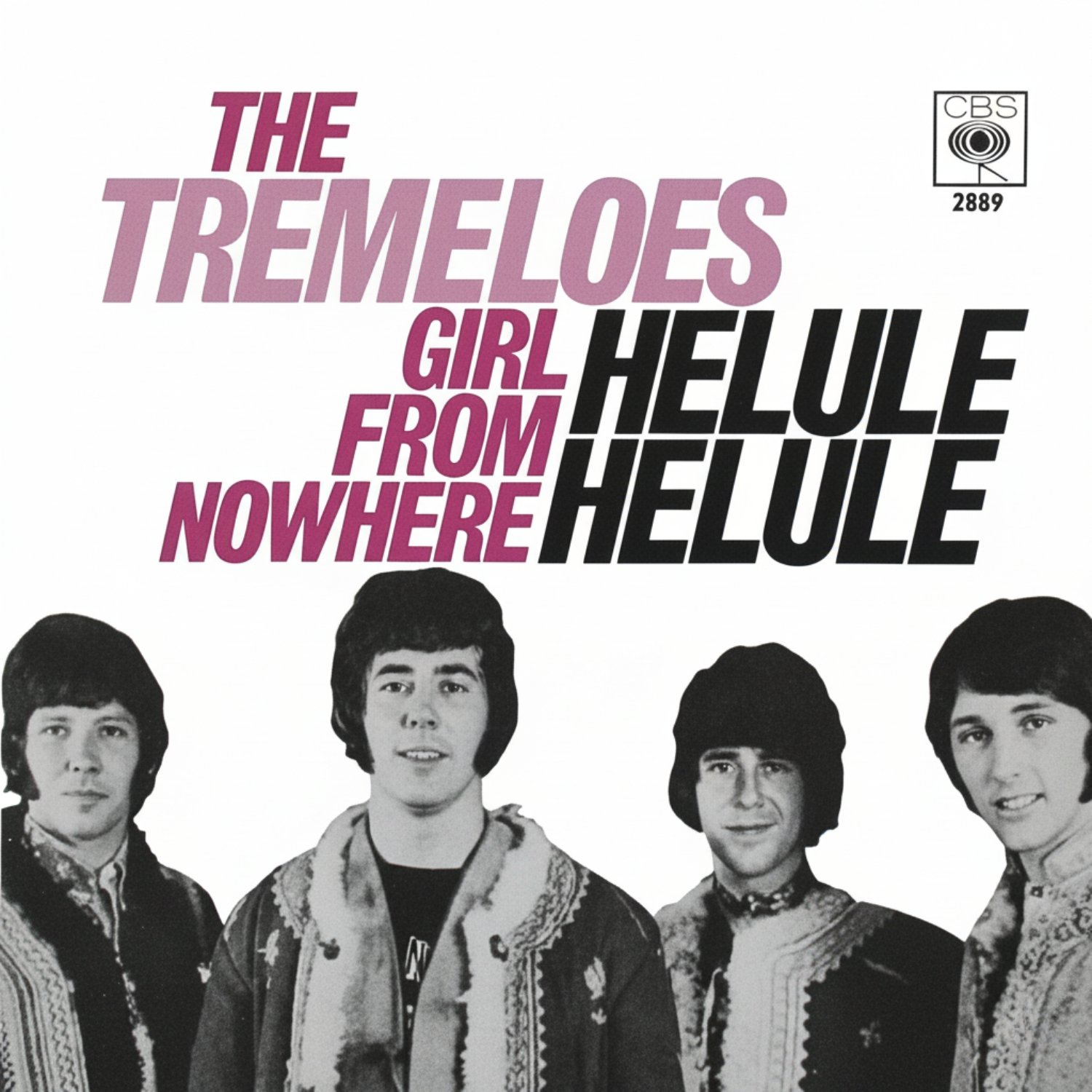
“Helule Helule” endures because its feeling is timeless. It represents Kenya’s optimism, its cultural vibrancy, and its capacity to celebrate life through music. Decades later, the song still lights up gatherings, radio playlists, and nostalgic memories. It remains a reminder of Daudi Kabaka’s gift: creating music that connects people, lifts spirits, and captures the heart of a nation.
A true classic — joyful, infectious, and unforgettable.